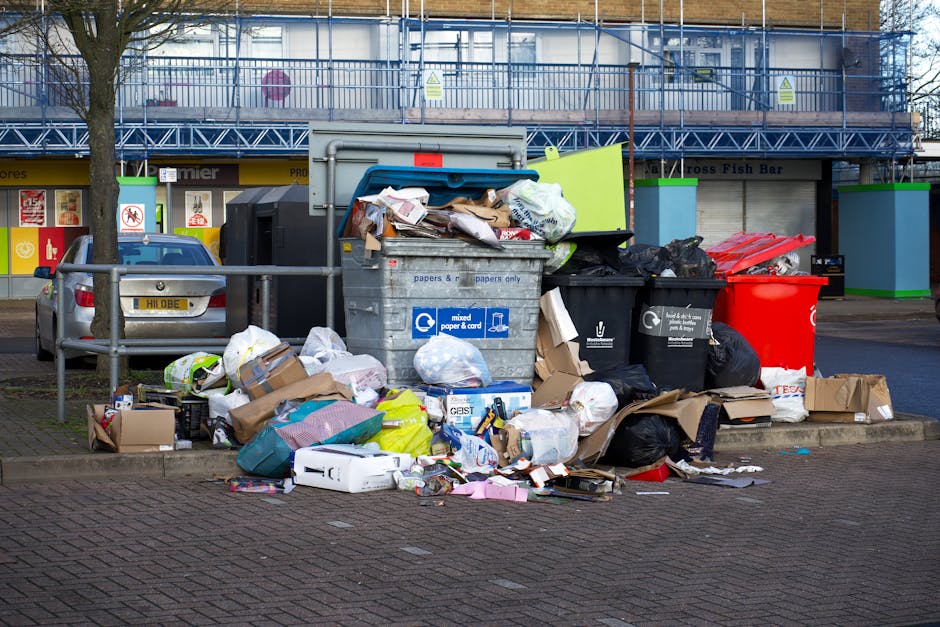
Rubbish removal Lewisham Station SE13 local guide
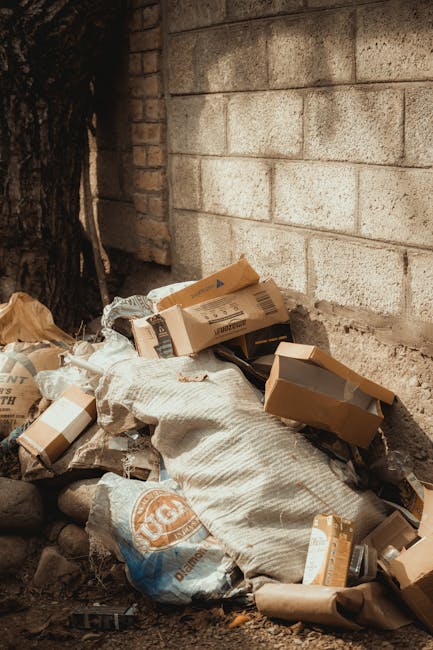
If you are trying to clear a flat near Lewisham Station, move bulky furniture out of a tight stairwell, or just get rid of a surprising pile of junk without turning your week upside down, you are in the right place. This Rubbish removal Lewisham Station SE13 local guide breaks down what actually works on the ground: how local rubbish clearance tends to run, what to expect, where people usually go wrong, and how to choose the right service for the job. Around SE13, the practical stuff matters - access, parking, timing, and the difference between a simple collection and a more involved clearance can save you a lot of hassle.
Let's face it, rubbish removal sounds straightforward until you are standing by the front door with a broken wardrobe, a bag of renovation offcuts, and nowhere obvious to put any of it. That's where a proper local guide helps. Below you will find a clear path through the process, plus a few real-world tips that make the job less stressful.
Why Rubbish removal Lewisham Station SE13 local guide Matters
Lewisham Station sits in a busy, mixed-use part of southeast London. That matters because rubbish removal here is rarely just about the waste itself. It is about getting access to the property, working around traffic, handling flats and shared entrances, and making sure the job does not create problems for neighbours or your schedule.
SE13 has a lot of homes where storage is limited. People hold onto items longer than they mean to - a sofa waiting for the tip, a garage full of "I'll deal with it later" boxes, or builders' waste sitting in the hallway after a weekend project. Sound familiar? You are not alone. In our experience, most rubbish jobs near the station are less about huge volumes and more about awkward items, limited time, and the need for quick, tidy removal.
There is also the trust factor. A good local rubbish removal plan reduces the risk of fly-tipping, missed collections, damage in shared spaces, and waste being handled poorly. If you are comparing options, a service that covers professional rubbish removal and general waste removal can be a practical fit when you need more than a standard council-style disposal route.
Key point: the best outcome is not just "getting rid of stuff". It is getting rid of it cleanly, legally, and without turning a simple task into an all-day headache.
Table of Contents
- Why Rubbish removal Lewisham Station SE13 local guide Matters
- How Rubbish removal Lewisham Station SE13 local guide Works
- Key Benefits and Practical Advantages
- Who This Is For and When It Makes Sense
- Step-by-Step Guidance
- Expert Tips for Better Results
- Common Mistakes to Avoid
- Tools, Resources and Recommendations
- Law, Compliance, Standards, or Best Practice
- Options, Methods, or Comparison Table
- Case Study or Real-World Example
- Practical Checklist
- Conclusion
- Frequently Asked Questions
How Rubbish removal Lewisham Station SE13 local guide Works
Most rubbish removal in SE13 follows a fairly simple pattern, even if the details vary. You describe what needs to go, the team estimates the load, the collection is scheduled, and the waste is taken away for sorting, reuse, recycling, or disposal where appropriate.
That said, the process usually becomes easier when you break it down into a few practical stages:
- Identify the waste type. Household clutter, furniture, garden cuttings, builder's debris, or office clearance items all need slightly different handling.
- Check access. Is it a top-floor flat? Is there a lift? Can a vehicle stop close by? Those little details matter more than people expect.
- Choose the right service level. For a single bulky item, furniture disposal or sofa removal may be enough. For a larger clear-out, you might need flat clearance or house clearance.
- Prepare the items. Separate anything reusable, remove personal documents, and flag anything that could be hazardous or unusually heavy.
- Collection and loading. The team removes the items, often from inside the property, which saves you the awkward lift-down-the-stairs moment.
- Sorting and disposal. Usable items may be set aside for reuse; the rest is handled through appropriate waste channels.
For customers with mixed waste, the right service can make a massive difference. For example, a small refurb near Lewisham Gateway might include plasterboard, old units, and packaging. In that case, builders' waste clearance is a better fit than a generic collection. Similarly, a small business or shared workspace may need office clearance or business waste handling rather than a one-off household job.
There is no magic trick here. It is mostly good planning, a realistic estimate, and a team that understands local access issues.
Key Benefits and Practical Advantages
Choosing the right rubbish removal approach near Lewisham Station SE13 can save time, reduce stress, and keep the whole process moving. The benefits are not just about convenience, though that is a big part of it.
- Faster turnaround: useful when you are moving out, finishing a tenancy, or trying to clear a property before the next stage starts.
- Less lifting and carrying: bulky or awkward items can be removed from inside the property, which is a relief if stairs are involved.
- Better use of space: clearing clutter makes it easier to clean, decorate, repair, or sell a property.
- Cleaner shared areas: fewer bags left in hallways, foyers, or front gardens where they can get in everyone's way.
- More flexible than waiting for an opportunistic solution: you do not have to store rubbish for days while trying to find time, help, or transport.
- Can handle mixed loads: one collection can often deal with furniture, general household items, and light clear-out waste together, if sorted sensibly.
There is also a quieter benefit people do not always mention: peace of mind. Clearing a space changes how it feels. A spare room stops feeling like a dumping ground. A shop back office becomes usable again. A garden stops looking like a forgotten storage yard. Small win, but a real one.
If you are dealing with an awkward mix of items, a broader waste clearance service can sometimes be easier than trying to organise separate removals for every category. And if you are simply looking for a reliable one-off pickup, rubbish collection is often the most direct route.
Who This Is For and When It Makes Sense
This guide is for anyone in or around Lewisham Station SE13 who needs waste removed without overcomplicating things. That includes renters, homeowners, landlords, estate agents, small businesses, builders, and people helping a relative clear a property. Truth be told, it also suits anyone who has run out of patience with "I'll do it next weekend".
Rubbish removal makes sense in situations like these:
- after a move, when the old furniture does not fit the new place;
- after decorating or building work, when bags and offcuts pile up faster than expected;
- during a tenancy changeover, when you need rooms cleared quickly;
- after a garden tidy-up, especially if branches, bags, and broken planters have stacked up;
- when a garage, loft, or storage cupboard has become impossible to use;
- when you need a discreet, tidy clearance before guests, inspections, or a sale.
For some jobs, specialist clearances are a better fit. A garage packed with old paint tins, sports gear, and broken tools is usually best handled through garage clearance. A tired settee or dining suite may be more sensibly handled through furniture disposal. And if the mess has spread across the whole home, home clearance can give you a clean slate.
Not every job needs a big operation. Sometimes it is just one awkward item. But when the pile grows, it is usually cheaper, easier, and safer to get it sorted properly rather than piece it together yourself.
Step-by-Step Guidance
Here is a simple way to approach rubbish removal near Lewisham Station without missing anything important.
- Walk through the space first. Make a quick list of what needs to go. Separate large items, bagged waste, and anything that might need special handling.
- Check what can stay and what must leave. If you are clearing a flat, it is easy to accidentally include things you still need. We have all seen that one box vanish and everyone goes quiet for a second.
- Measure anything bulky. Wardrobes, sofas, mattresses, and desks can be awkward in narrow hallways. Knowing the size helps avoid surprises.
- Think about access and timing. Busy roads, delivery windows, school runs, and train traffic can all affect collection ease near the station.
- Group similar waste together. Mixed loads are fine in many cases, but it helps to know if you have builder's waste, garden waste, white goods, or furniture.
- Book the right level of help. If it is a single-item job, keep it simple. If it is a full room or property, choose the service that matches the scale.
- Clear personal items and valuables. Old drawers have a habit of hiding passports, paperwork, spare keys, and that missing remote control from 2022.
- Ask how the waste is handled. A good operator should be able to explain the general process without sounding evasive.
A practical tip: if you are clearing a property in stages, do it room by room. It feels slower at first, but it usually leads to fewer mistakes and a better sense of progress.
For renovation jobs, it can help to keep builders waste separate from household clutter. And for long-ignored spaces, such as a loft or shed, the job may involve a mix of rubbish clearance and more general waste removal. Small detail, big difference.
Expert Tips for Better Results
There are a few habits that make rubbish removal around Lewisham Station much smoother. None of them are complicated, which is the nice part.
- Take a photo before booking. Visual context helps more than a vague description. One photo of a room can answer half the questions.
- Be honest about volume. Underestimating waste usually causes delays or extra stress on the day.
- Separate anything reusable. You may decide to keep, donate, or resell items before they become waste. That is often worth doing.
- Protect communal areas. In flats, lay down coverings or plan a route so stair edges and hallway corners do not get scraped.
- Keep bags tied and manageable. Overfilled bags tear. Then everything becomes a bit silly, and not in a fun way.
- Plan for weather. A wet afternoon in London can make outdoor loading slower and messier.
- Choose the right service for the item type. A bed, a sofa, and a pile of hedge cuttings are not the same thing, even if they all seem like "stuff to get rid of".
One of the best things you can do is make access easy before the crew arrives. Move cars if needed, unlock gates, and clear a path. It seems small, but it can save ten minutes here, fifteen minutes there - and that adds up fast.
If you are clearing an entire property after a move or inheritance, house clearance or flat clearance may be more suitable than a standard waste pickup. Sometimes the right label is half the battle.
Common Mistakes to Avoid
Most rubbish removal mistakes are avoidable. Usually they happen because people are rushing, guessing, or assuming the job is simpler than it is.
- Mixing hazardous items with general waste: certain materials need careful handling, so never bundle them in casually.
- Leaving everything until the last minute: that is how small jobs become stressful ones.
- Not checking access: a service can be delayed if a vehicle cannot get close enough or if there is no clear route to the load.
- Forgetting about hidden waste: drawers, under-bed storage, loft corners, and garden corners often contain more than expected.
- Choosing the wrong service type: a tiny clearance and a major property empty-out are different jobs with different needs.
- Assuming everything can be left on the pavement: that is where problems start. Very quickly.
Another common issue is poor sorting. For example, office contents mixed with general household items can slow the job down, especially if records, electronics, and furniture all need separating. If you are dealing with a work premises, office clearance is usually the cleaner route.
And yes, people sometimes forget to tell the team about the piano stool, the broken monitor, or the loft ladder. It happens. Just be upfront from the beginning and the job tends to go more smoothly.
Tools, Resources and Recommendations
You do not need a van full of gear to prepare for rubbish removal, but a few basic tools help.
- Marker pens and labels: useful for tagging what stays, what goes, and what should be checked again.
- Heavy-duty bags: standard bags split more easily than people expect.
- Gloves: sensible for dusty lofts, garden waste, and old storage areas.
- Measuring tape: handy for bulky furniture and narrow doorways.
- Phone camera: easiest way to document what needs clearing and spot-check progress.
Recommended services depend on the waste in front of you. For example:
- For a single couch or armchair: sofa removal
- For a mix of old items from different rooms: home clearance
- For outside debris and plant matter: garden clearance
- For ongoing collections or repeated waste output: waste collection
- For general household disposal: waste disposal
In practice, the strongest recommendation is simple: match the service to the actual waste, not the other way around. That saves time, money, and a lot of back-and-forth.
Law, Compliance, Standards, or Best Practice
When rubbish is removed in the UK, the big principle is straightforward: waste should be handled responsibly and passed to appropriate channels. For residents and businesses alike, the key best-practice question is not "Can I get rid of this quickly?" but "Is it being handled properly?"
You do not need to become a compliance expert to make a sensible choice, but a few common-sense points matter:
- Do not use informal dumping arrangements. If something sounds too casual or untraceable, pause.
- Keep proof of what was removed. This is particularly useful for landlords, agents, and businesses.
- Flag potentially risky materials early. Anything that may need special handling should be discussed before collection day.
- Be careful with shared access areas. Flats, commercial units, and mixed-use buildings often need a tidy, considerate approach.
- Ask about general waste handling practices. A reputable provider should explain the process in plain English.
For commercial sites, the expectations are usually a bit stricter in practice because you are dealing with business premises, staff areas, and sometimes public-facing spaces. If you are clearing a shop office, storage room, or workspace near the station, business waste support can be the better fit.
Best practice in rubbish removal is mostly about care, honesty, and tidy execution. Nothing glamorous. But it does the job properly, which is what matters.
Options, Methods, or Comparison Table
Not every removal job needs the same method. Some are best handled as a single-item pickup, while others work better as a full clearance. Here is a simple comparison to help you decide.
| Option | Best for | Strengths | Watch-outs |
|---|---|---|---|
| Rubbish collection | Bagged waste, small mixed loads, quick pickups | Simple, flexible, good for everyday clear-outs | May not suit large or awkward items |
| Rubbish removal | General junk, bulky items, straightforward disposal | Clear purpose, efficient for most households | Check access and load size carefully |
| Waste clearance | Mixed waste from homes, gardens, or small businesses | Broad coverage, useful when the pile is varied | Can be too broad if you only have one item |
| Furniture disposal | Old sofas, wardrobes, tables, beds | Ideal for bulky household items | Measure items if access is tight |
| Flat clearance | Rentals, move-outs, end-of-tenancy clearances | Suited to multi-room or top-floor properties | Needs good planning for access and timing |
There is no universal winner. A one-chair job and a three-room clear-out are different beasts. Choose the simplest option that still properly covers the job.
Case Study or Real-World Example
Here is a realistic example from the sort of jobs people often face around Lewisham Station.
A renter in SE13 was moving out of a second-floor flat with a narrow stairwell, a bulky sofa, two broken shelves, a boxed bed frame, and a small pile of general rubbish left after packing. At first, the plan was to borrow a friend's car and make several trips. After one look at the staircase and the size of the sofa, that idea was quietly retired. Sensibly so.
Instead, the items were grouped, the access route was checked, and the removal was arranged as a single visit. The sofa came out first, followed by the loose items and smaller waste. Because the path was clear and the items were already grouped, the whole thing stayed tidy and manageable. The best part? The flat looked half the size once the clutter was gone, in a good way. Breathing room came back.
That is often the real value of local rubbish removal. Not just transport. Momentum.
For similar situations, a mixed approach can help: flat clearance for the property, sofa removal for the bulky sofa, and rubbish clearance for the rest. Simple, and far less stressful than trying to DIY everything in one go.
Practical Checklist
Use this checklist before collection day. It keeps things calm.
- Sort items into clear groups: keep, donate, recycle, remove.
- Check whether you have furniture, garden waste, builders' waste, or mixed rubbish.
- Measure large items if hallways, stairs, or doorways are tight.
- Clear a safe route from the property to the exit.
- Remove personal documents, valuables, and anything fragile.
- Tell the provider about parking, access, lifts, and loading restrictions.
- Separate anything that may need special handling.
- Make sure bins, hallways, and entrances are not blocked.
- Confirm the collection time and keep your phone handy.
- Afterwards, do a quick final walk-through of the space.
If you are clearing something more complex than a standard household load, it is worth checking whether a more specific service would suit you better. A garage, for instance, may need garage clearance, while a refit or renovation project may need builders waste removal rather than ordinary rubbish collection.
Conclusion
Rubbish removal near Lewisham Station SE13 does not need to be complicated. Once you know what you are dealing with, choose the right service, and keep access simple, the process becomes much more manageable. That is really the heart of this Rubbish removal Lewisham Station SE13 local guide: practical planning beats guesswork every time.
Whether you are shifting one awkward sofa, clearing a flat before handover, or sorting a mix of waste after a bigger project, the best results come from clarity and a calm approach. Do the little things well, and the big job gets easier. Nice when that happens, honestly.
Get a free quote today and see how much you can save.
And if you are feeling overwhelmed by the pile in front of you, that is normal. Start with one bag, one room, one step. It all gets lighter from there.
Frequently Asked Questions
What does rubbish removal near Lewisham Station SE13 usually include?
It usually covers general household waste, bulky items, mixed clear-out rubbish, and sometimes furniture or light renovation debris, depending on the service you choose.
Is rubbish removal better than taking items to the tip myself?
For many people, yes. It saves time, heavy lifting, fuel, parking stress, and the headache of fitting awkward items into a car that was never designed for a wardrobe.
Do I need to sort everything before the collection?
Not always, but some basic sorting helps. Keep valuables separate, group similar waste together, and flag anything unusual so the job runs smoothly.
Can bulky furniture be removed from a flat with stairs?
Usually yes, provided access is workable. Sofas, beds, and wardrobes are common requests, but narrow stairs and tight corners should be checked in advance.
What is the difference between rubbish removal and waste clearance?
In everyday use, they overlap a lot. Rubbish removal often refers to taking away general unwanted items, while waste clearance can cover a broader mix of household, garden, or business waste.
When should I book flat clearance instead of a normal rubbish collection?
If you are clearing multiple rooms, dealing with a move-out, or removing a significant amount of contents from a flat, flat clearance is usually the more suitable option.
Is builder's waste handled differently from household rubbish?
Yes, often it is. Heavy rubble, plasterboard, timber, and renovation leftovers can require a more specific approach than everyday household junk.
Can office waste or business items be removed too?
Yes, many clearances can handle desks, chairs, archive materials, and general business waste. For commercial premises, it is best to choose a service that fits the site and the volume.
How do I prepare for a collection if parking is tight near Lewisham Station?
Let the provider know early, move any vehicles you can, and keep the loading route as clear as possible. Access planning really matters in busy SE13 streets.
What happens to the rubbish after it is collected?
That depends on the item type and the provider's process. Usable items may be separated, and the rest should be handled through appropriate waste routes rather than dumped casually.
Can one service handle a mix of furniture, bags, and garden waste?
Often yes, especially if the load is described clearly in advance. Mixed waste is common, but it helps to be upfront about the variety so the right vehicle and team are used.
What is the biggest mistake people make with rubbish removal?
Probably underestimating the load. People think it is a quick one-hour job, then discover three rooms' worth of clutter, a bulky item, and no clear path out. It happens a lot.
Should I choose sofa removal or furniture disposal for one old couch?
Either can work, but sofa removal is the more specific choice if the item is definitely a sofa. For mixed household pieces, furniture disposal may be the broader fit.