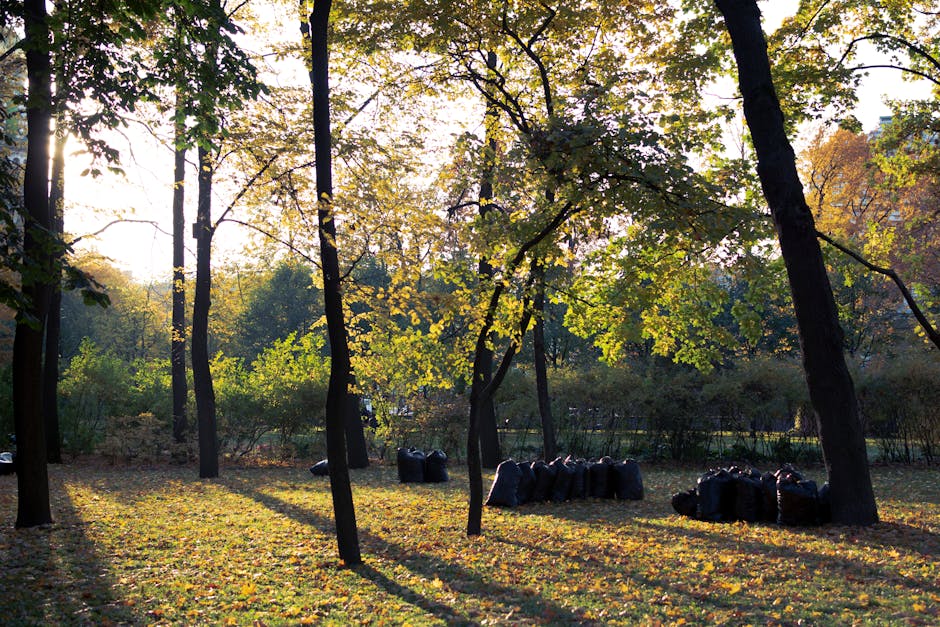
Garden rubbish clearance Greenwich Park SE10 tips
If your garden is starting to look a bit wild after a weekend cutback, you are not alone. Hedge trimmings by the fence, a half-collapsed pile of branches, soil bags, old pots, and that one broken planter you keep meaning to move can add up fast. The good news is that Garden rubbish clearance Greenwich Park SE10 tips are straightforward once you know what to sort, what to avoid, and how to work safely and efficiently in a built-up part of London.
This guide is written for anyone in or around Greenwich Park SE10 who wants a cleaner outdoor space without making the process harder than it needs to be. You will find practical advice on how garden waste clearance works, when it makes sense to book help, how to stay on the right side of waste rules, and how to choose the smartest route for your situation. No fluff. Just the useful bits.
One thing people often underestimate is how much time garden waste takes once the actual gardening is finished. The cuttings are done, the tools are down, then suddenly there is a mountain of green waste to deal with. Truth be told, that is usually the point where people think, "Right, now what?"
Table of Contents
- Why Garden rubbish clearance Greenwich Park SE10 tips Matters
- How Garden rubbish clearance Greenwich Park SE10 tips Works
- Key Benefits and Practical Advantages
- Who This Is For and When It Makes Sense
- Step-by-Step Guidance
- Expert Tips for Better Results
- Common Mistakes to Avoid
- Tools, Resources and Recommendations
- Law, Compliance, Standards, or Best Practice
- Options, Methods, or Comparison Table
- Case Study or Real-World Example
- Practical Checklist
- Conclusion
- Frequently Asked Questions
Why Garden rubbish clearance Greenwich Park SE10 tips Matters
Garden waste is not just an eyesore. Left too long, it can attract pests, block access, create trip hazards, and make a tidy garden feel oddly stressful every time you look out the window. In Greenwich Park SE10, where outdoor space can be precious and access may be narrow or shared, a neat clearance plan matters even more.
There is also a practical side. Garden waste is bulky and awkward. Branches don't stack like cardboard. Wet grass is heavy. Soil bags get heavier than you'd think. And mixed waste, with wood, metal, plastic, and green waste all thrown together, makes disposal slower and often more expensive. A little planning saves a lot of lifting.
For local households, landlords, tenants, and small property managers, the real value of a good clearance is control. You decide what gets reused, what gets composted, and what needs to be removed safely. That can mean a tidier front garden, better kerb appeal, and less time spent wrestling with bags at the end of a long day.
Expert summary: Garden waste clearance works best when you separate materials early, keep access clear, and choose the removal method that fits the amount of waste rather than the other way round.
How Garden rubbish clearance Greenwich Park SE10 tips Works
At a practical level, garden rubbish clearance usually follows a simple pattern: sort, gather, load, and remove. The details matter, though. If you are dealing with a light tidy-up, you might only have green cuttings and a few bags. If you have done a full garden overhaul, you could be looking at branches, broken fencing, old compost, plant pots, turf, and possibly some household-style items that should not be treated as garden waste at all.
The first step is identifying what you actually have. Green waste is usually plant-based material such as leaves, hedge trimmings, grass cuttings, weeds, and small branches. Other items, like broken tools, treated wood, bricks, old paving, or plastic edging, may need separate handling. That distinction matters because mixed loads are usually harder to process.
In a local context, access can shape everything. Greenwich streets and garden entrances can be tight, and if there is no easy place to park close by, carrying waste bags or branches becomes a bit of a slog. A sensible clearance plan should take account of where the waste will be stored temporarily, how it will leave the property, and whether the team or household needs more than one trip. Simple, but easy to overlook.
If you are managing the work yourself, you will usually need:
- sturdy bags or tubs for smaller waste
- tarpaulins for dragging or staging cuttings
- gloves with a decent grip
- a rake, fork, and pruning tools
- access to a vehicle or collection method that suits the load
That last point is where many jobs get stuck. People do the hard part of cutting back the garden, then realise the disposal side is the actual bottleneck. Happens all the time.
Key Benefits and Practical Advantages
The benefits of getting garden rubbish clearance right are more than cosmetic. A clear outdoor space is easier to maintain, safer to move around in, and much less likely to become a "I'll deal with it next weekend" kind of problem.
Cleaner space, lower stress
Once the waste is gone, you can actually see the garden again. That sounds obvious, but it changes how a space feels. A small patio or shared rear yard can go from cluttered and awkward to calm and usable very quickly.
Better safety
Branches, thorny clippings, sharp pots, and hidden debris can cause slips, cuts, and twisted ankles. If children, pets, or older relatives use the space, removal becomes less of a nice-to-have and more of a sensible precaution.
Improved garden health
Keeping diseased clippings, diseased leaves, or rotten plant matter lying around is rarely a good idea. You do not need a gardening degree to know that damp, decaying waste can encourage unpleasant smells and make the area feel neglected. Clear it, and the space usually bounces back faster.
More efficient maintenance
Regular clearance makes future gardening easier. You can prune, mow, and replant without constantly working around old waste. That is especially helpful if your garden gets a burst of growth in spring and early summer. One tidy clearance now can save three smaller frustrations later.
Better presentation for moving, letting, or renovating
If you are preparing a property for sale, rent, or refurbishment, exterior presentation matters. A tidy garden helps the whole place feel better cared for. Not glamorous, perhaps, but very real.
Who This Is For and When It Makes Sense
Garden rubbish clearance is useful for all sorts of people, not just keen gardeners. In Greenwich Park SE10, it often makes sense for:
- homeowners doing seasonal garden maintenance
- tenants clearing a small garden at the end of a tenancy
- landlords preparing an outdoor space between lets
- property managers handling shared communal areas
- people after storm damage or heavy pruning
- anyone tackling a garden redesign or soft landscaping project
It also makes sense when the waste is awkward rather than large. For example, a few long branches can be more troublesome than a dozen small bags because they do not fit neatly in a car or standard bin. Likewise, wet grass and soil can make bags unexpectedly heavy. Not ideal.
If you are asking yourself whether the job is "big enough" to need help, a useful test is this: will disposal take longer than the actual garden work? If the answer is yes, you are probably looking at a clearance job rather than just routine tidying.
There are also times when speed matters. A sudden weather change, an upcoming gathering, a landlord inspection, or a neighbour boundary issue can make quick removal more valuable than careful DIY staging. In those moments, it is less about perfection and more about getting the space back under control.
Step-by-Step Guidance
If you want a smoother result, work in stages. Rushing garden clearance usually creates extra mess, extra lifting, and extra frustration. Here is a practical approach that works well for most homes.
- Walk the garden first. Look at what needs to go and separate green waste from non-green items. Do not start bagging blindly.
- Set aside reusable materials. Some branches can be chipped or reused as habitat stacks, and some soil can be repurposed if it is clean enough.
- Cut oversized waste down. Long branches and bulky stems are easier to handle when reduced to manageable lengths.
- Keep waste dry where possible. Wet cuttings weigh more and smell worse. If you can stage them under cover for a short time, do it.
- Bag or bundle by type. Separate green cuttings, woody waste, and mixed debris. It makes loading easier and can reduce sorting later.
- Check access before moving heavy loads. Doorways, side passages, steps, and narrow gates can be awkward. Clear them first.
- Load safely. Lift with bent knees, not your back. Sounds boring, but your back will thank you later.
- Do a final sweep. Small bits of wire, nails, broken terracotta, and thorny scraps are easy to miss.
If you are dealing with a bigger clear-out, split the job into zones: front garden, side return, rear beds, then hard surfaces. A zone-based approach sounds a bit organised, maybe even dull, but it keeps the work from sprawling everywhere.
And yes, gloves help. More than people think. The right pair makes a rough job feel much less fiddly.
Expert Tips for Better Results
Good clearance is usually about small decisions rather than dramatic effort. In our experience, the jobs that go smoothly tend to follow a few simple habits.
Separate by material before you touch the vehicle
This saves time and confusion. If green waste is in one pile and non-organic debris is in another, the load is easier to manage. It also helps you see whether some items can be reused, recycled, or dealt with separately.
Work from the outside in
Start with waste close to exits, paths, and gates. That opens up the space and gives you a clear route for the rest of the clear-out. Small win, but it matters.
Avoid overfilling bags
Heavier is not always better. Overfilled bags split, are harder to lift, and slow everything down. A few medium bags are often easier than one heroic, back-testing monster of a bag.
Use tarpaulins for long branches
Dragging bundled branches on a tarp can be much easier than carrying them piece by piece. It is one of those little tricks that sounds almost too simple. Then you try it and think, why wasn't I doing this earlier?
Keep damp and dry waste apart
Dry trimmings are lighter. Damp leaves and soil get dense fast. Separate them if you can. It makes handling cleaner and less tiring.
Do not wait for the whole garden to be perfect
A lot of people hold off because they want one "proper" big session. Fair enough, but small regular clearances are usually easier to live with. A 20-minute tidy today can prevent a full-day scramble next month.
Watch for hidden non-garden waste
Garden clearances often uncover random extras: old plant labels, rusted canes, broken hose fittings, bits of plastic, even the odd tool buried under the hedge. These are easy to miss and can complicate disposal if left mixed in.
If you want the honest version: tidy clearance is less about brute force and more about rhythm. Sort, stack, remove, sweep. Simple, but effective.
Common Mistakes to Avoid
Some garden waste jobs become harder than they need to be because of a few very common mistakes. Avoiding them can save time, money, and a few grumbles.
- Mixing everything together. Green waste, rubble, and household junk should not all end up in the same pile if you can help it.
- Ignoring access constraints. Narrow side passages and awkward steps change the whole job. Check first.
- Underestimating weight. Wet compost, turf, and soil are much heavier than they look.
- Leaving sharp or thorny material loose. This is how people end up with torn bags and scratched hands.
- Forgetting about local storage space. If waste has nowhere to sit while you sort it, the garden gets messy again immediately.
- Assuming every item is green waste. Treated timber, metal, and construction remnants need separate consideration.
Another frequent issue is timing. If you clear the garden after a spell of rain, everything becomes heavier and muddier. If you can, choose a dry window. It makes a bigger difference than most people expect. A small detail, but a real one.
Tools, Resources and Recommendations
You do not need a huge toolkit to clear garden rubbish properly, but a few reliable items make the process much easier.
| Tool or item | Why it helps | Best for |
|---|---|---|
| Heavy-duty gloves | Protects hands from thorns, splinters, and rough edges | Pruning, bagging, and lifting |
| Tarpaulin | Makes dragging, staging, and loading bulky waste easier | Branches, hedge cuttings, mixed piles |
| Rake and garden fork | Helps gather leaves, grass, and loose debris efficiently | Lawns, beds, borders |
| Pruning shears or loppers | Reduces large branches to manageable size | Woody cuttings and overgrowth |
| Strong refuse sacks | Useful for smaller green waste and loose debris | Light to medium loads |
| Wheelbarrow or garden cart | Reduces carrying strain over longer distances | Rear gardens and awkward access |
If you are deciding between DIY and professional help, think about the physical load first. A small, tidy border clear-out might be ideal for a wheelbarrow and a few sacks. A full post-pruning clear-up with thick branches and soaked cuttings is a different beast altogether.
For people who want to reduce waste over time, composting can be useful for suitable green material. Just keep in mind that not everything belongs in a compost heap. Diseased material, invasive plant matter, and treated timber should be handled cautiously or separately. When in doubt, keep it out. That rule saves trouble.
Also, don't overlook basic timing. Early morning can be a practical time to start if you want to avoid working in the heat or interrupting the rest of the day. There is something oddly satisfying about getting a messy job done before lunch. Very satisfying, actually.
Law, Compliance, Standards, or Best Practice
Garden waste disposal in the UK should be handled responsibly, and local expectations matter. While the exact arrangements can vary by council or service provider, the principle stays the same: waste should be sorted, stored, and removed in a way that avoids nuisance, contamination, and unsafe handling.
Here are a few best-practice points to keep in mind:
- Do not fly-tip. Leaving waste in an unsuitable place, even temporarily, can create problems and may lead to enforcement action.
- Keep different waste streams separate where possible. Green waste, rubble, timber, and general junk are not the same thing.
- Use a responsible carrier or disposal route. If someone offers a suspiciously cheap removal service, it is fair to ask where the waste goes.
- Avoid overloading bins or public areas. If you are using shared access, be considerate and keep pathways clear.
- Handle sharp, heavy, or contaminated items carefully. Broken terracotta and hidden metal can cause injuries.
If you are hiring help, it is sensible to ask how the waste will be processed and whether the provider separates recyclable material. You do not need a lecture. Just enough reassurance that the job is being handled properly. That is reasonable.
Local properties in Greenwich Park SE10 can also involve shared walls, narrow passages, and neighbour access considerations. Good practice is to protect paths, avoid blocking entrances for longer than necessary, and remove waste promptly once it has been gathered. Simple courtesy goes a long way.
Options, Methods, or Comparison Table
There is more than one way to deal with garden rubbish, and the right choice depends on volume, access, time, and physical effort. Here is a practical comparison.
| Method | Best for | Pros | Trade-offs |
|---|---|---|---|
| DIY binning and bagging | Small tidy-ups | Low cost, simple, flexible | Time-consuming, limited capacity, physical effort |
| Composting on site | Suitable green waste | Reduces disposal volume, environmentally sensible | Not suitable for everything, needs space and patience |
| Car trips to disposal points | Moderate waste if transport is available | Direct control over sorting | Messy vehicle loading, multiple journeys, time costs |
| Professional clearance | Large, mixed, or urgent jobs | Fast, less lifting, better for awkward loads | Higher upfront cost than DIY |
For many Greenwich Park SE10 households, the decision comes down to access and time. If you can load waste quickly and you have space to sort it, DIY may be fine. If the garden is tight, the waste is bulky, or you simply need it gone without turning your weekend into a lifting session, professional clearance is usually the calmer option.
There is no gold medal for doing the hardest version of the job yourself. Sometimes the smart choice is the one that keeps your back intact and your day on track.
Case Study or Real-World Example
A typical local scenario goes like this. A small rear garden has been left untouched through autumn and winter. By spring, there are hedge trimmings from a light prune, old pots stacked behind the shed, a few bags of leaves, and a pile of branches from a neighbourly overhang cut-back. Nothing extreme, but enough to make the space feel cramped.
The first step is to sort the waste into three groups: green cuttings, woody branches, and mixed non-green items. The pots and broken plastic planters get separated so they do not end up buried in a green pile. The branches are cut into shorter lengths, then stacked on a tarp near the gate. The leaves and soft cuttings go into smaller sacks rather than one huge bag, because smaller loads are easier to move through a narrow side return.
After the main clear-out, the final sweep catches a few bits of wire, some forgotten labels, and a handful of thorny scraps around the border. The whole space looks bigger immediately. Not magically bigger, just noticeably less cluttered. And that is the point. A garden rarely needs perfection. It usually just needs the waste out of the way so the good parts can breathe again.
In practice, that kind of job often takes less time when planned properly than when tackled in a rush. The difference is usually the sorting stage. People skip it, then spend twice as long at the end sorting chaos. We have all done something similar, honestly.
Practical Checklist
Use this checklist before and during your clearance so nothing obvious gets missed.
- Separate green waste from non-garden debris
- Check access routes, gates, and steps before lifting anything heavy
- Cut oversized branches into manageable sections
- Keep bags a sensible weight to avoid splitting
- Wear gloves and suitable footwear
- Protect any paths or shared areas from mud and scratches
- Set aside reusable items before disposal
- Do a final sweep for sharp fragments and loose debris
- Make sure waste is stored safely if collection is not immediate
- Choose the disposal method that matches the amount of waste
If you are working alone, it also helps to leave yourself a clear route back out of the garden. People often forget that part. The pile gets bigger, the path gets smaller, and suddenly the job becomes a bit of a maze.
Get a free quote today and see how much you can save.
Conclusion
Good garden rubbish clearance in Greenwich Park SE10 is really about a calm, sensible process: sort early, lift safely, keep access clear, and choose the disposal method that fits the job. Whether you are tackling seasonal pruning, clearing after a redesign, or simply trying to reclaim a tidy outdoor space, the same principles apply. Small steps, done properly, make the whole thing easier.
The best results usually come from planning rather than brute effort. That sounds almost too simple, but it is true. Once the waste is under control, the garden starts feeling like part of the home again instead of a worksite waiting for attention.
If you approach the job with a bit of structure and a realistic view of the workload, you will almost always save time, reduce stress, and end up with a better-looking space. And that, in the end, is what most people want: a garden that feels usable, open, and looked after. Nice and simple.
Frequently Asked Questions
What counts as garden rubbish?
Garden rubbish usually includes grass cuttings, hedge trimmings, leaves, weeds, branches, plant stems, and other green material. It can also include some non-organic items from gardening, such as broken pots, old canes, and damaged edging, but those often need separate handling.
Can I put garden waste in my normal household bin?
Sometimes small amounts may fit, but it is not a great long-term solution for larger clearances. Garden waste is bulky and can quickly overfill a household bin. If the amount is more than minimal, a more suitable disposal method is usually needed.
Is it better to compost garden waste or have it removed?
It depends on the material and the space you have. Clean green waste can often be composted if you have a suitable setup. Mixed waste, branches, soil, or contaminated material are usually better removed. Many people do a bit of both.
How do I know if my garden waste is too heavy for DIY removal?
If bags are difficult to lift safely, if branches are too bulky for your vehicle, or if you need repeated trips to clear the load, it may be beyond a comfortable DIY job. A good rule is to stop before it becomes awkward or unsafe.
Do I need to separate green waste from other rubbish?
Yes, where possible. Separation makes disposal easier and can reduce complications later. Green waste, treated wood, metal, rubble, and general junk often need different handling.
What should I do with thorny or sharp garden waste?
Bundle it carefully, use tough gloves, and keep it contained so it does not tear bags or injure anyone. If there are a lot of thorns or sharp stems, it is worth packing them in a way that makes handling safer for whoever moves them next.
When is the best time of year for garden clearance?
Many people clear most heavily after major growing seasons, after storms, or during spring and autumn tidy-ups. The best time is often when the garden is dry and access is easy, because the work goes faster and feels less messy.
How can I make a garden rubbish clearance easier in a small SE10 property?
Use smaller bags, cut waste down early, keep walkways clear, and stage everything near the exit route. In smaller gardens, organisation matters more than strength. A neat sequence prevents the whole place from becoming blocked.
Is it worth booking help for a small garden?
If the waste is light and manageable, DIY may be enough. But if you have no vehicle, limited lifting ability, awkward access, or a mixed pile of debris, booking help can save a lot of time and hassle. It is not always about size; sometimes it is about convenience.
What is the biggest mistake people make with garden clearance?
The most common mistake is starting without sorting. When everything is dumped together, the job takes longer, becomes heavier, and is harder to dispose of properly. A few minutes of sorting at the start usually saves a lot of trouble later.
Can I leave garden waste on the pavement while waiting for collection?
That depends on local arrangements and should be done carefully, if at all. Waste should not block access or create a nuisance. The safer approach is to keep it contained on your property until it can be removed properly.
How often should I clear garden rubbish?
For many homes, a seasonal tidy-up is enough, with smaller clearances in between if pruning or mowing generates extra waste. If your garden grows quickly or you use it often, more regular attention can prevent larger jobs from building up.
What should I ask before choosing a clearance service?
Ask what kinds of waste they take, how they handle mixed loads, whether they separate recyclable material, and how access will be managed. Those questions are simple, but they tell you a lot about whether the service is suitable for your property.